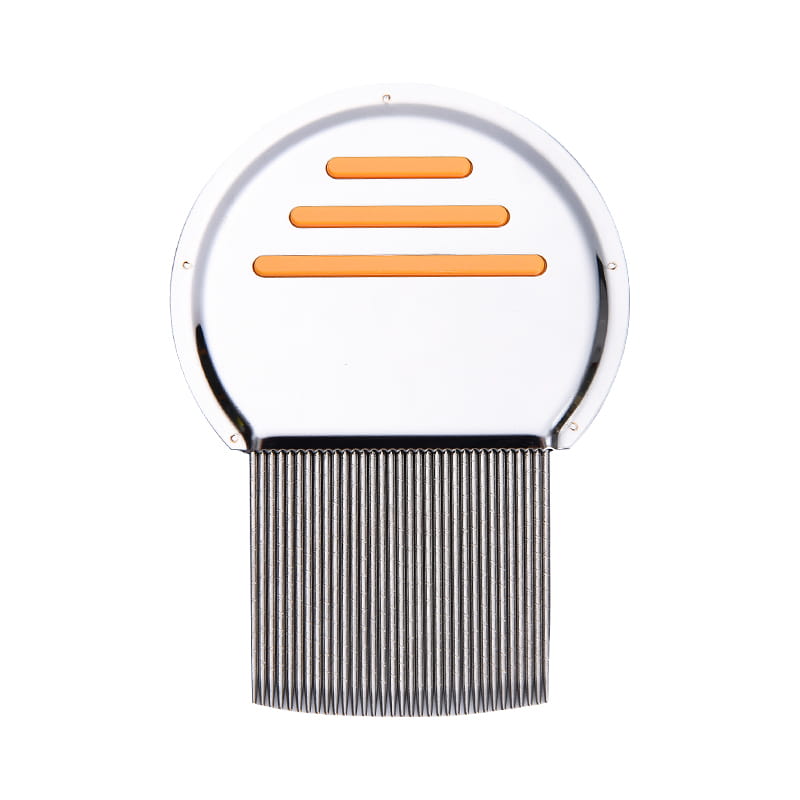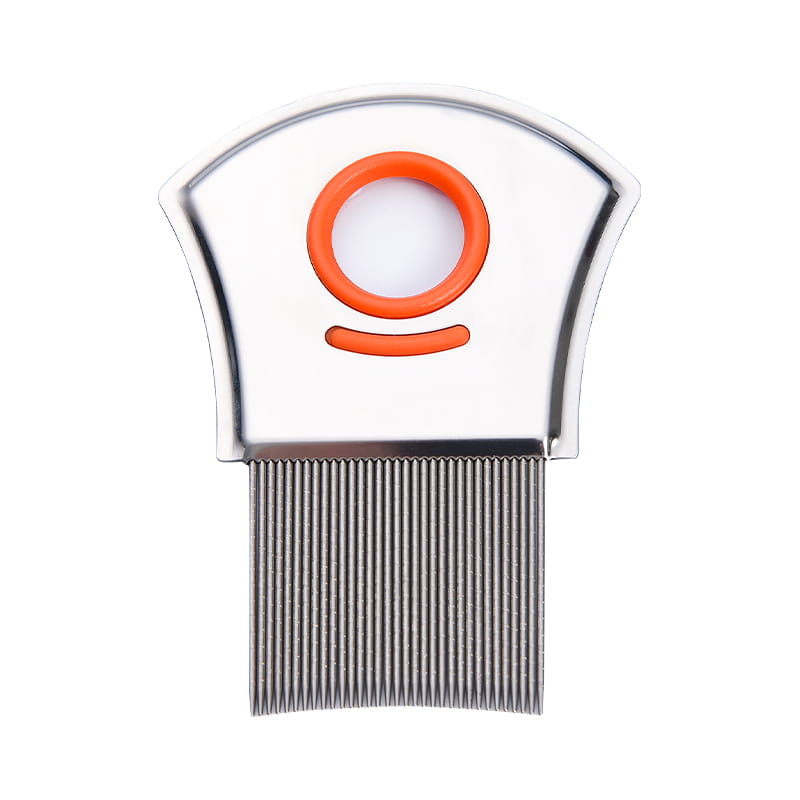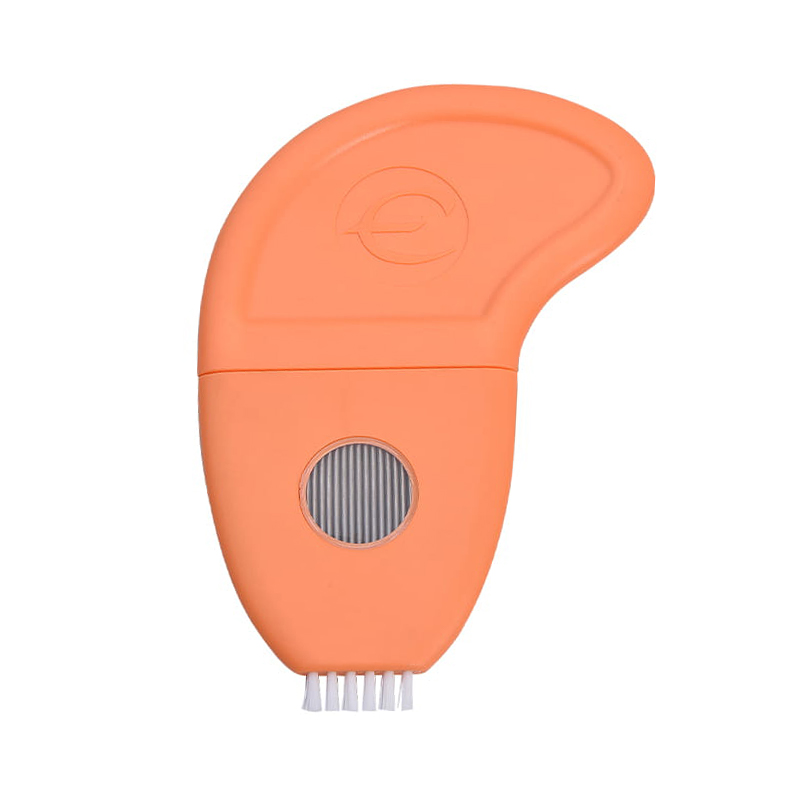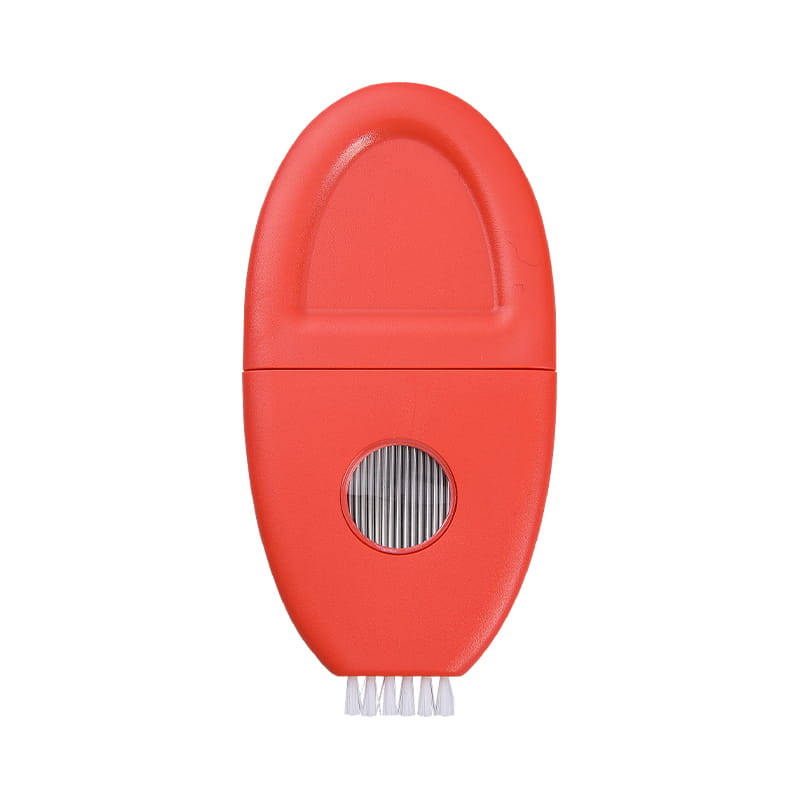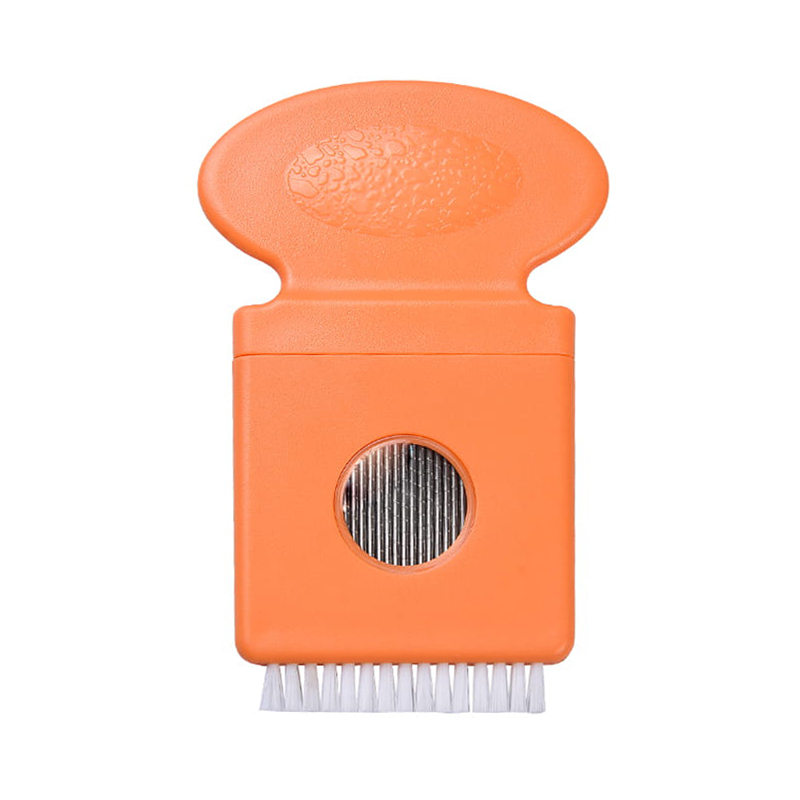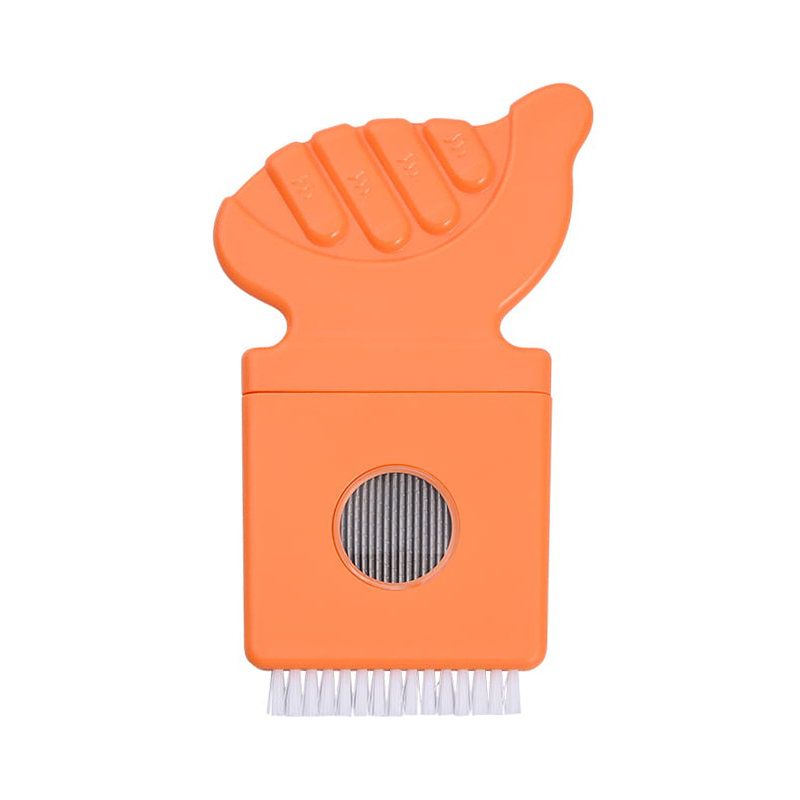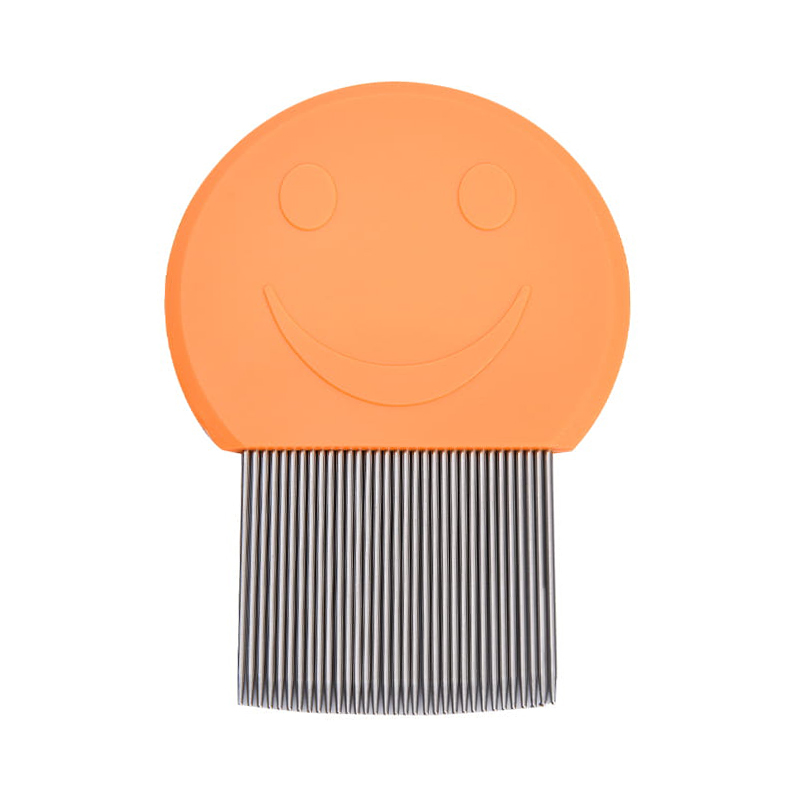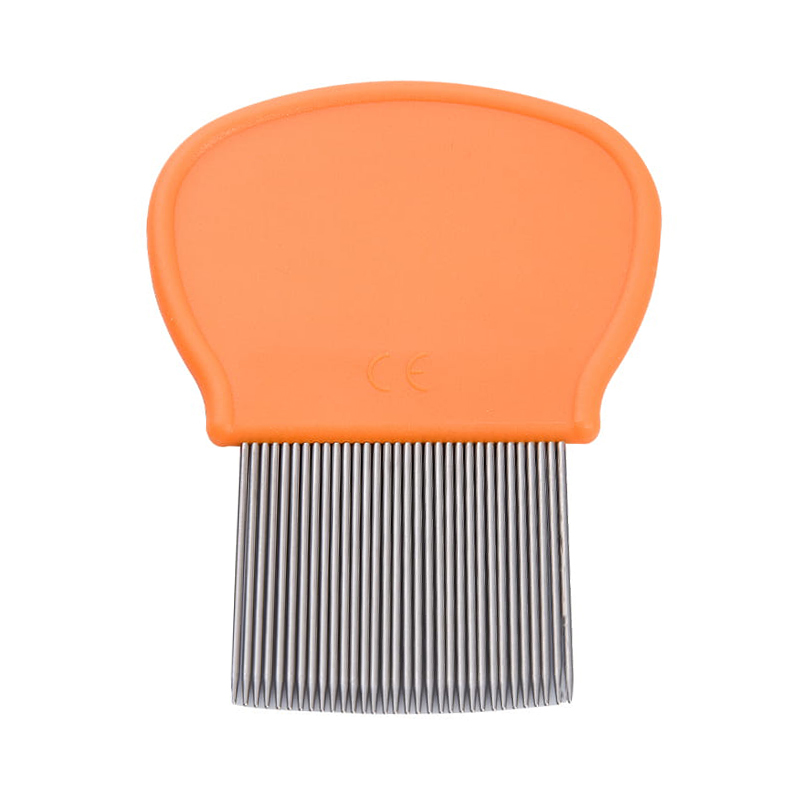


The effectiveness of a multifunctional lice comb comes down almost entirely to tooth spacing precision and material rigidity — not the number of extra features bundled onto the handle. A comb with teeth spaced at 0.2–0.3mm apart can capture both adult lice and nits in a single pass, while combs with wider spacing miss nits attached close to the scalp, requiring repeated sessions and prolonging treatment by days or even weeks. Choosing well means prioritizing these core mechanical specifications first, then evaluating additional functions as a secondary benefit.
Tooth Spacing Determines Real-World Effectiveness
Tooth spacing is the single most important spec on any multifunctional lice comb, since it directly determines whether the comb captures nits — the tiny eggs attached firmly to hair shafts close to the scalp — or simply passes over them. Nits average roughly 0.8mm in length but are cemented to the hair shaft at an angle, making them harder to dislodge than free-moving adult lice.
| Tooth Spacing | Nit Capture Rate | Best Suited For |
| 0.5mm and above | Low — misses most attached nits | General detangling only |
| 0.3–0.4mm | Moderate — captures loose nits, misses tightly attached ones | Fine hair, early-stage checks |
| 0.2–0.3mm | High — captures both adult lice and firmly attached nits | Thorough treatment, dense or curly hair |
A comb with 0.2mm spacing forces hair through a much tighter channel than one spaced at 0.5mm, which is precisely why the tighter spacing removes significantly more nits per pass — but it also means the comb requires more careful, section-by-section use, since pulling too quickly through tightly packed teeth can cause discomfort, especially on tangled or curly hair.
Material Comparison: Metal Versus Plastic Teeth
The material a multifunctional lice comb is made from affects both durability and how well the teeth hold their precise spacing over repeated use, which matters more than most buyers initially realize.
- Stainless steel teeth hold their shape and spacing precisely even after repeated sterilization in boiling water, making them the more reliable choice for multi-use treatment over several weeks. They also tend to glide more smoothly through hair, reducing pulling and breakage.
- Plastic teeth are lighter and less expensive but can flex or warp slightly under pressure, subtly widening the effective gap between teeth and reducing nit capture rate over repeated use. Plastic also degrades faster when exposed to repeated hot-water sterilization.
- Metal teeth with rounded tips reduce scalp irritation compared to sharper stamped metal edges, an important comfort factor for repeated daily use over a typical 2–3 week treatment period.
Stainless steel combs typically cost more upfront but maintain consistent tooth spacing through dozens of uses and sterilization cycles, while budget plastic combs often need replacement after just a handful of uses once teeth begin to splay under normal handling pressure.
What "Multifunctional" Actually Means in Practice
Manufacturers use the term "multifunctional" to describe a range of added features, but not all of these features contribute equally to treatment effectiveness. Understanding which additions genuinely help versus which are largely cosmetic makes for a more informed comparison.
| Added Feature | Practical Value |
| Dual-sided teeth (wide and fine) | High — wide side detangles first, fine side removes nits without fighting knots |
| Built-in LED light or magnifier | Moderate — helps visually confirm removal but doesn't affect capture rate |
| Ergonomic grip handle | Moderate — reduces hand fatigue during long sessions but doesn't change removal efficiency |
| Interchangeable comb heads | High — allows switching spacing for different hair sections or family members |
The dual-sided design deserves particular attention because it solves a real sequencing problem: running a fine-toothed comb through tangled, unbrushed hair first tends to snag and cause pain, while detangling with a wider-spaced side first, then following immediately with the fine side, captures nits more effectively without the discomfort of forcing tight teeth through knots.
Comb Length and Handle Design for Different Hair Types
Hair texture and length change how well a given comb design performs, and this is an area where a single "one-size-fits-all" multifunctional lice comb often underdelivers for at least part of a household.
- Fine, straight hair generally works well with standard tooth spacing around 0.2–0.3mm, since hair strands move through the teeth predictably.
- Thick or curly hair benefits from combs with slightly longer teeth and a sturdier handle, since more hair volume passes through each section and requires more mechanical force to comb through thoroughly.
- Short hair, common in young children, is often served better by a shorter-toothed comb that can maintain full contact with the scalp without excess length getting in the way.
Families with members who have different hair types often find more value in a comb with interchangeable or reversible heads than in a single fixed-tooth design, since the spacing that works well for one person's fine hair may perform noticeably worse on another's thick or curly hair.
Wet Combing Versus Dry Combing Technique
How a multifunctional lice comb is used matters just as much as the comb itself, and technique differences produce measurably different results. Wet combing — applying conditioner to damp hair before combing — temporarily immobilizes lice, since they cannot move quickly through slippery, conditioner-coated hair, giving the comb a better chance to trap them on each stroke. Dry combing works through hair without this lubrication and can be faster for quick checks, but adult lice can move away from the comb more easily, sometimes reducing capture rate compared to the wet method.
Research-informed treatment protocols generally recommend wet combing sessions repeated every 3–4 days over a two-week period, since this interval matches the nit hatching cycle — combing frequently enough to catch newly hatched lice before they mature and reproduce, without requiring daily sessions that can cause unnecessary scalp irritation.
Cleaning and Reusing a Lice Comb Safely
Proper cleaning between uses and between household members prevents cross-contamination and keeps a multifunctional lice comb performing at its rated tooth spacing over its full usable life.
- Rinse the comb under running water immediately after each pass to remove trapped hair, debris, and any dislodged nits before they dry and become harder to remove from the teeth.
- Soak metal combs in hot water (above 60°C) for several minutes between sessions, which most stainless steel designs tolerate without damage, unlike plastic combs that can warp at similar temperatures.
- Use a fine brush or old toothbrush to clear debris from between teeth, since buildup between closely spaced teeth can effectively widen the gap and reduce nit capture on subsequent uses.
- Store the comb dry in a clean case rather than loose in a drawer, reducing the chance of bent or damaged teeth from contact with other objects.
Neglecting regular cleaning is a common reason a well-specified comb underperforms over a multi-week treatment course — even a comb engineered with precise 0.2mm spacing loses effectiveness once hair debris and residue accumulate between the teeth, effectively narrowing the usable channel and increasing pulling resistance without improving capture.